
How should you judge a configurator after its first 90 days?
Evaluate a configurator pilot using qualified enquiries, offer preparation, accepted scope and data quality, with a baseline and realistic attribution limits.

Table of contents
Judge a configurator pilot against the business problem it was purchased to solve. Useful measures can include enquiry completeness, time to prepare a reviewed offer, quotation revisions and factory clarification. Website traffic alone cannot establish whether the software improves your sales and production process.
Set a baseline before launch
Choose a product family and record the existing workflow over an agreed period. Define what counts as a received enquiry, a qualified project, an issued offer and an accepted order. Keep those definitions consistent after launch.
Include product and channel differences. A new range or a changed advertising campaign can affect results independently of the configurator. Note those changes before treating a comparison as evidence of software impact.
| Measure | Practical definition to agree |
|---|---|
| Enquiry completeness | Required product decisions supplied or explicitly unknown |
| Sales response | Time from received enquiry to useful follow-up |
| Offer preparation | Work needed to issue a reviewed quotation |
| Revision quality | Changes traced to the accepted specification |
| Factory clarification | Missing or inconsistent information at handoff |
Keep the arithmetic and denominator visible
Suppose a pilot receives 20 complete enquiries and 10 meet your qualification definition. Qualification among complete enquiries is 10 divided by 20. If you compare that result with a percentage based on all website visitors, you are measuring a different stage of the journey.
These numbers are an arithmetic example, not a Configurix benchmark. Record the underlying counts, time period and definition so that small samples and delayed decisions remain visible.
Review evidence with the people doing the work
Ask sales which enquiries were easier to progress and manufacturing which records needed clarification. Connect the observations to specific fields or workflow steps. A higher submission count can still be disappointing if the additional records lack a usable product specification.
Identify technical failures separately. Missing notifications or inconsistent analytics may explain a reporting change without indicating a change in buyer demand.
Use the findings to define the next Configurix phase
A Configurix implementation can begin with a defined product family and measurable handoff. Use the pilot to prioritize actual improvements: clearer product questions, a more useful quotation, better material data or an agreed system connection. Do not expand the catalogue merely because a fixed review date has arrived.
Does a 90-day review prove a return on investment?
Not automatically. Sales cycles, sample size and other changes affect what can be concluded. Separate observed operating improvements from revenue or cost claims that need additional evidence.
Should conversion rate be the only success measure?
No. Your goal may include better-qualified projects, reliable quotations or fewer factory questions. Choose measures that reflect the reason your company bought the software.
Book a private Configurix demo
Bring your product range, price list and a representative quote. We can define the configuration and sales workflow around your business.
Book a private Configurix demo →Related articles
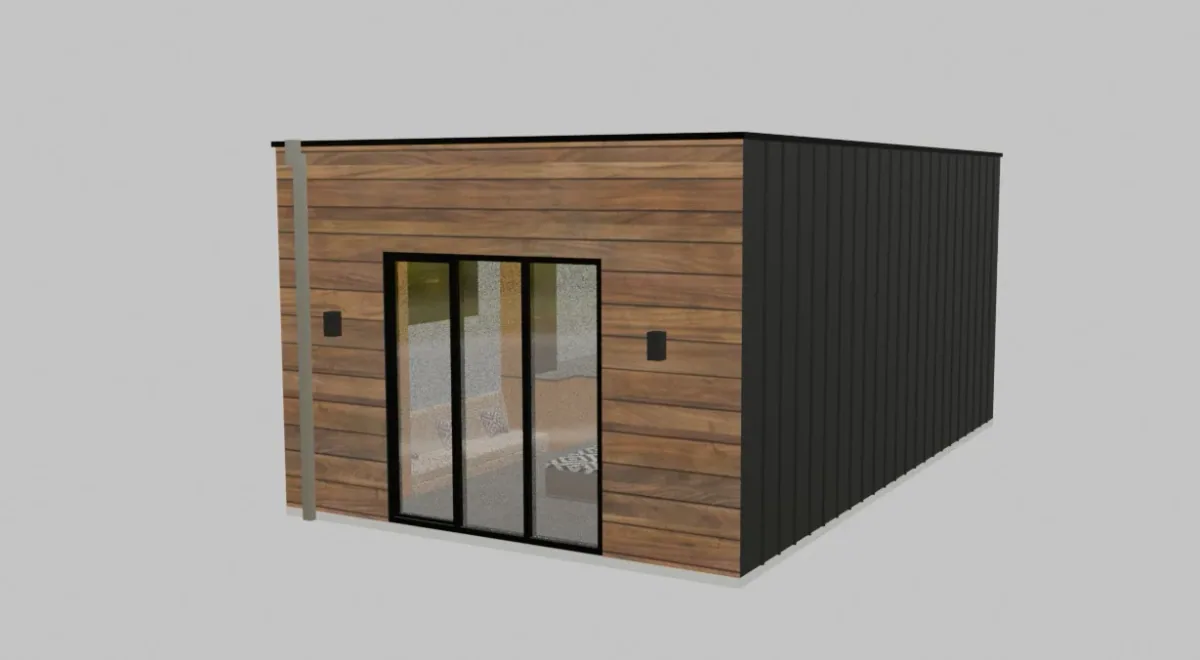
Can a configurator handle thousands of product options?
Evaluate large configurator catalogues using representative choices, search, dependencies, model loading and catalogue administration rather than option counts alone.

What should happen when a phone cannot load the 3D model?
Evaluate mobile configurator fallback through product selection, saved state, clear loading feedback and a usable enquiry route when 3D fails.
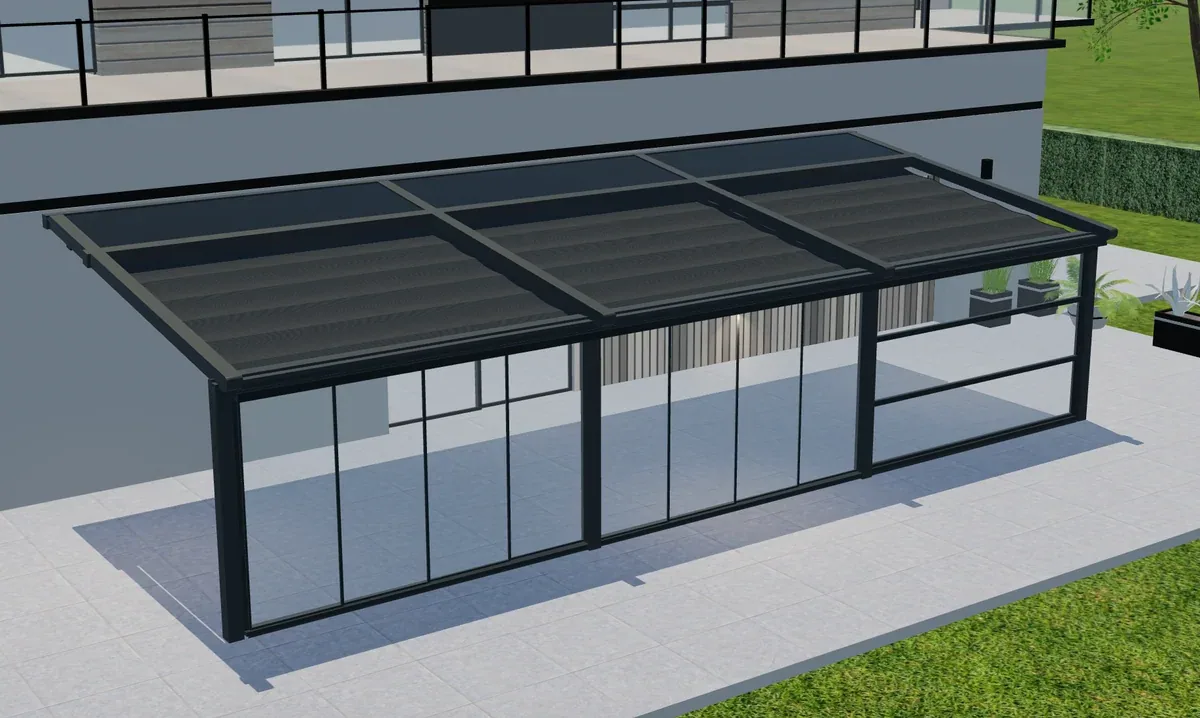
Can buyers complete your configurator using a keyboard?
Evaluate keyboard access across product choices, dimensions, 3D alternatives, validation, saved projects and the enquiry form before buying.
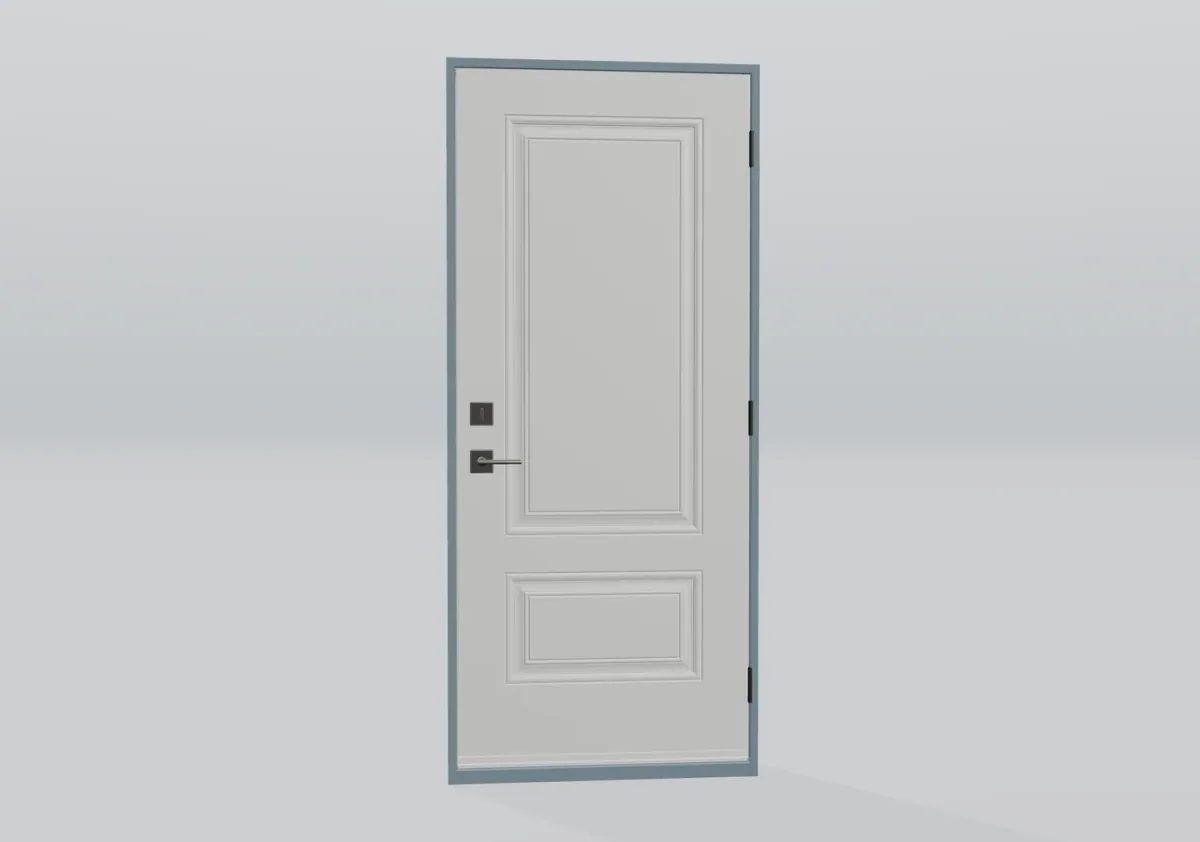
When is a no-code form enough for product configuration?
Compare a no-code enquiry form with a configuration engine using dependent choices, continuous dimensions and incomplete customer requests.