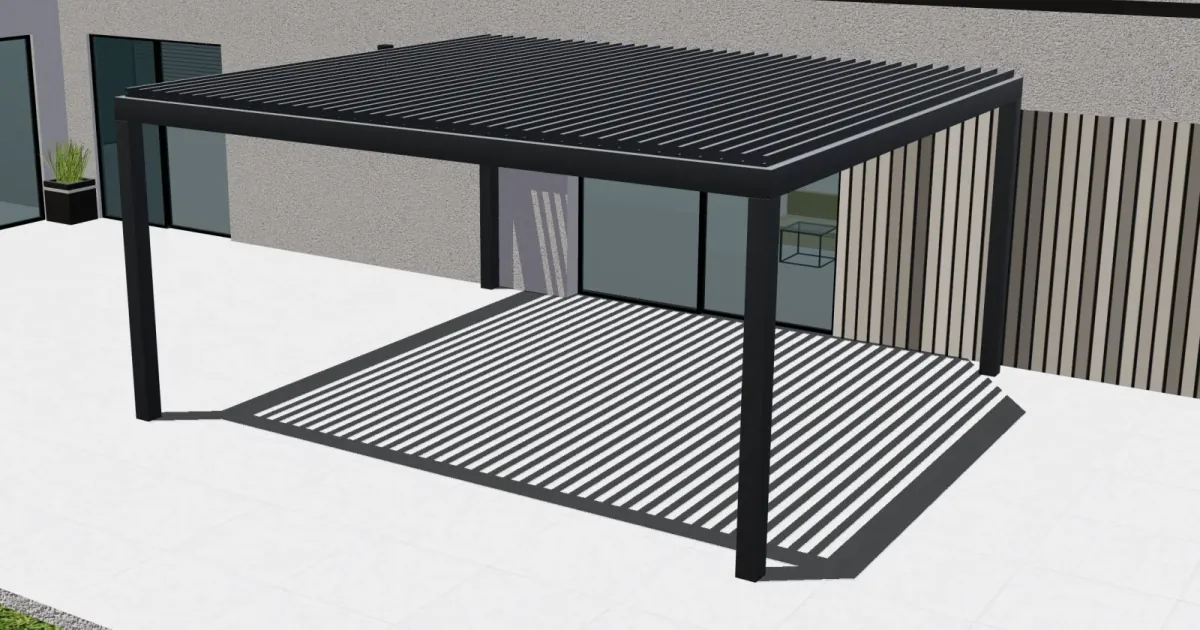
Launching awning and pergola configurators in France
Plan a French configurator launch: awning and pergola rules, dealer access, quote requests, lead notifications and validated factory data.
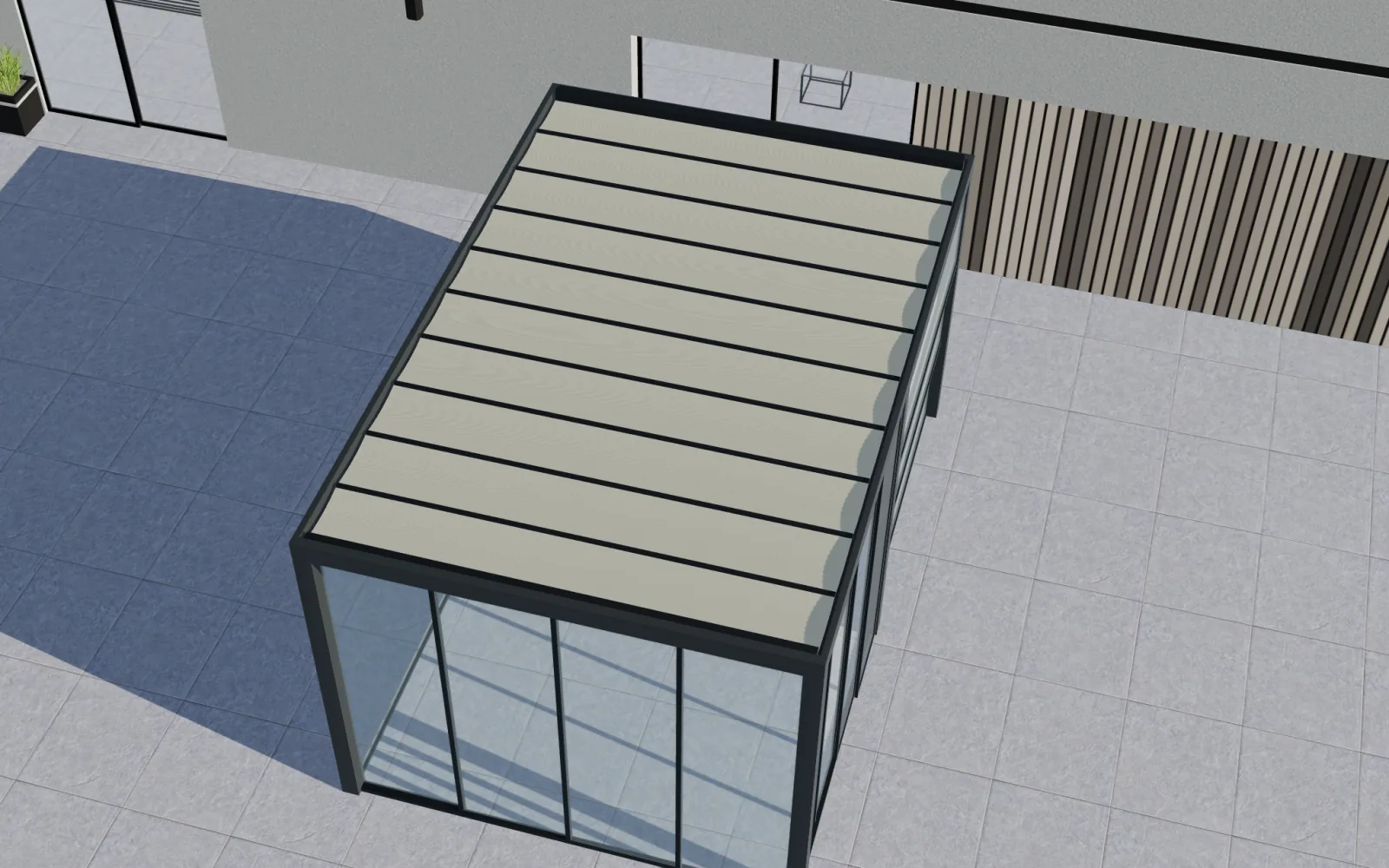
Table of contents
A manufacturer selling awnings, pergolas or sunrooms in France needs more than a French translation of a 3D viewer. The configurator must connect the product a customer can see to the range the dealer can sell, the price that applies to that account and the information needed to prepare a quote.
Configurix builds custom configurator software around those decisions. For a French sales launch, a useful starting scope is one outdoor-living product family, a French customer journey and an agreed handoff to the sales team. Additional countries, dealer groups and factory outputs can follow once that first journey works reliably.
For a rollout beyond France, the international configurator guide covers market catalogues, currencies, units and enquiry ownership.
Which product should launch first?
Choose a product with enough variation to test your real rules, but with a catalogue your team can explain and approve. An awning is a useful candidate when width, projection, fabric, frame finish and optional accessories are already documented. A pergola introduces a different set of decisions: roof type, supported spans, post positions, glazing and screens. A sunroom may require separate rules for openings, roof systems and panel layouts.
Do not treat these products as the same model with different pictures. Start by listing the decisions that change geometry, price or the required commercial review. For each decision, name the source document and the person who can resolve an exception.
If dimensions outside your published range require engineering approval, the customer journey should collect an enquiry for review. It should not display an automatically approved combination simply because a 3D model can render it.
What should the French customer journey include?
Use the terms your French sales team and catalogue use. For an awning, customers may encounter “largeur”, “avancée”, “toile” and “coloris de l’armature”. Explain technical terms next to the relevant control and show the selected option in the product view when it changes appearance.
Store product and option identifiers separately from translated labels. A fabric reference must remain the same reference in the configurator, quote and order record, even if its display name changes between French and another language. This also prevents a later translation edit from breaking a saved configuration.
The public journey and the dealer journey need different decisions. A homeowner might select a product and request a quote. An authenticated dealer may need an assigned catalogue, account price list and access to previous customer projects. Agree those permissions explicitly; hiding a price in the interface is not a substitute for restricting access to its underlying data.
How should the quote request work?
Define the information the receiving salesperson needs before designing the form. A useful configuration request can contain:
- Product family, model reference and catalogue revision.
- Width, projection or depth, with the unit recorded alongside each value.
- Fabric, frame finish and selected accessories by stable reference.
- The saved configuration identifier and a view of the selected product.
- Customer contact details and the installation location needed for follow-up.
- Questions requiring a survey, commercial review or engineering decision.
Keep product price, installation, delivery and any other commercial assumptions distinguishable. The seller should approve how prices and applicable taxes are presented. If that policy is not ready for the launch, use a quote request rather than an apparently final total.
A successful submission should create a traceable record and show the customer a confirmation. Email is a notification channel, not the only copy of the lead. Test the saved record and notification delivery separately so a mail failure does not hide a valid enquiry.
What must be tested before French dealers receive access?
Use completed orders and known exceptions from your own catalogue. Check a standard configuration, the smallest and largest permitted sizes, an incompatible accessory and a combination needing manual review. Ask a dealer to repeat the journey on a phone and tablet, including editing a dimension after choosing a finish.
Then test the commercial boundaries: one dealer must not see another dealer’s projects or restricted prices. Reopen a saved configuration after a catalogue update and establish whether it retains its original revision or asks for a deliberate recalculation. A changed price should never be concealed behind an unchanged quote reference.
For a bilingual rollout, compare the French and second-language versions of the same saved product. Dimensions, references and permitted combinations should agree; only the language and explicitly configured market settings should differ.
Can the same configuration produce factory data?
Yes, where the required outputs are part of the implementation scope. A quote description and a manufacturing bill of materials serve different purposes. The first describes what the customer is buying; the second may require approved component codes, quantities and assembly relationships.
Bring a real, approved material list to the project workshop. Map each required line to a selection, calculation or fixed component. Identify what still requires engineering approval. Validate the exported result against your accepted example before connecting it to an ERP or production workflow. A good-looking pergola model alone does not verify a factory-ready material list.
Plan a focused French launch with Configurix
Prepare one catalogue, a French quote template, a dealer price example and a completed order with its material list. Together, these reveal which parts of the journey can be automated and which need a review step.
Explore the awning, pergola and sunroom configurators below, or book a demo around your own product range. The initial proposal should define the product rules, users, accepted outputs and integrations that your launch actually needs.
Plan your custom configurator
Bring one product catalogue, one representative quote and one completed order. We will map a focused, testable first release.
Book a working session →